Detailed Quilting: A Designer’s Sweatshirt Review
As an embroidery designer preparing for a seasonal boutique drop, I approach every new machine embroidery design with a critical eye. When evaluating the "Detailed Quilting" file (SKU E-21634) for a premium sweatshirt collection, my first thought is not just about aesthetics, but about structural integrity on heavy knit fabrics. While this design is categorized under Bedroom and Embroidery, suggesting origins in home decor or textile art, its intricate nature makes it a compelling candidate for high-end apparel when executed correctly. For small clothing brands and Etsy sellers looking to elevate their offerings beyond standard logos, understanding how this specific design translates from screen to fabric is essential for maintaining brand reputation and product value.
First Impressions and Aesthetic Versatility
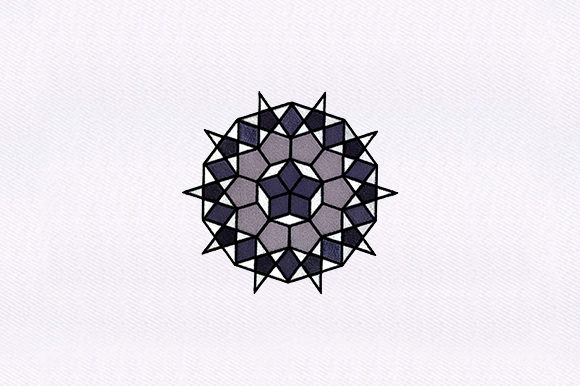
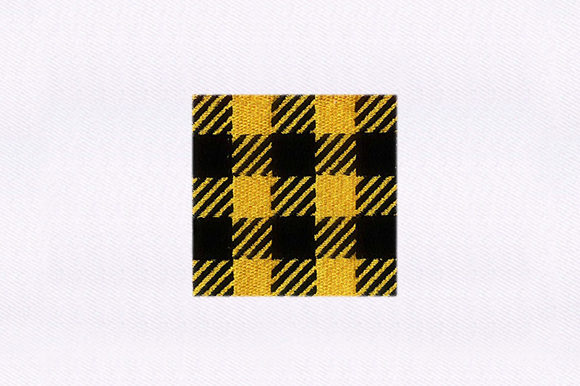
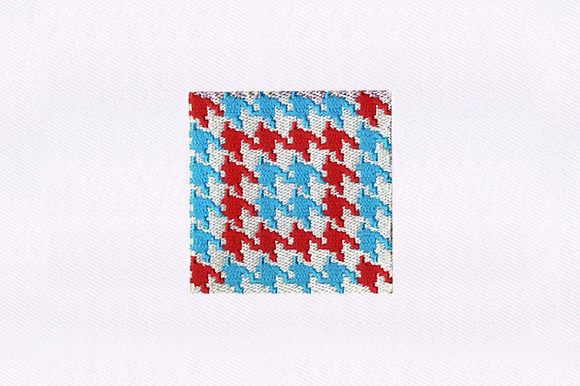
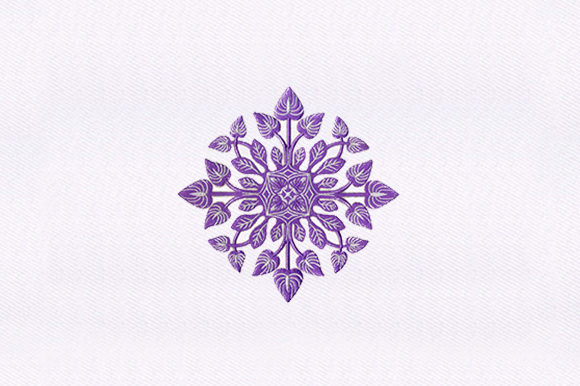
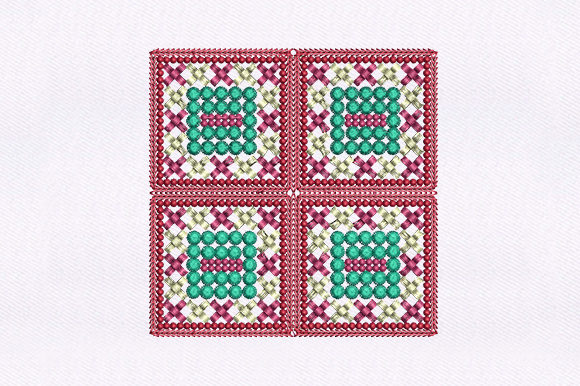
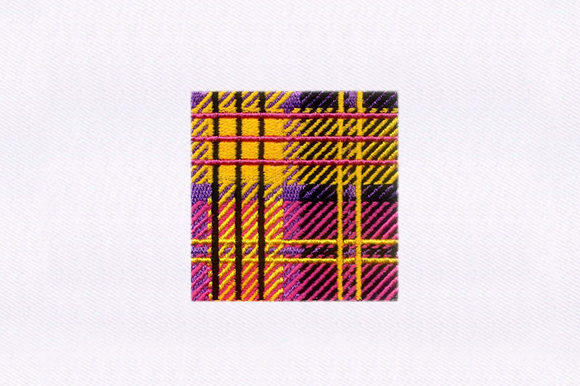
The immediate appeal of Detailed Quilting lies in its texture. Unlike flat fills or simple satin stitches, this design mimics the dimensional quality of hand-stitched quilts. For a boutique brand focusing on cozy, seasonal apparel, this visual language communicates warmth and craftsmanship instantly. When reviewing the digital file, the layout appears balanced enough for an 8x8 hoop size, which is the specified constraint for this SKU. This square format is ideal for center chest placements on oversized hoodies or as a bold back piece on crewneck sweatshirts.
In terms of mood, Detailed Quilting straddles the line between rustic tradition and modern minimalism. On neutral sweatshirts like oatmeal, charcoal, or sage green, the design reads as sophisticated and organic. However, when applied to pastel colors or dark navy bases, it transforms into something more playful and decorative. For creative entrepreneurs, this versatility means one embroidery file can serve multiple niches within a single shop listing. It does not feel cheap or rushed; rather, the complexity suggests a handmade product even when produced via commercial embroidery machines.
Technical Performance on Heavy Knits
The true test of any sweatshirt embroidery project is how the digitizing handles fabric distortion. Sweatshirt fleece and French terry are unstable compared to woven cottons. As I assess Detailed Quilting for production, stitch density is my primary concern. Intricate quilting patterns often require higher stitch counts to define the "puffed" look of the quilted effect. If the density is too high for an 8x8 area on stretchy fabric, we risk bulletproofing—where the embroidered area becomes stiff and uncomfortable. Conversely, if the density is too low, the design will sink into the fleece pile and lose its definition.
For this specific SKU, verifying the stabilization strategy is non-negotiable. A standard tear-away stabilizer will likely fail here. I recommend a medium-weight cutaway stabilizer fused with a temporary spray adhesive to prevent shifting during the detailed runs. Because the design type is machine embroidery intended for a large hoop size, proper hooping technique is vital. Floating the sweatshirt might work for smaller designs, but for an 8x8 detailed pattern, securing the garment in the hoop with adequate tension is necessary to maintain registration. Always run a test stitch-out on the exact fabric weight you intend to sell before committing to bulk production.
Strategic Placement for Boutique Apparel
Where you place Detailed Quilting dictates the perceived value of the garment. For an Etsy seller or small shop product launch, placement is part of the branding.
- Center Chest: The most traditional application for an 8x8 design. This works best on oversized fits where the design has room to breathe without wrapping around side seams.
- Back Yoke or Full Back: Utilizing the full 8x8 hoop size on the back creates a statement piece. This allows the front to remain minimal, perhaps with a small logo or text, letting the Detailed Quilting serve as the hero element.
- Sleeve Accents: While 8x8 is too large for most sleeves, experienced digitizers can sometimes isolate elements of a quilting design for cuff or forearm placement, provided the license allows modification.
- Pocket Detail: If using kangaroo pockets on hoodies, ensure the design does not stitch through both layers unless intentional. Positioning slightly above the pocket opening often yields a cleaner finish.
When creating printable mockup previews for your listings, remember that digital renderings cannot fully capture the shadow and depth of physical stitching. I advise taking macro photography of the actual stitched sample to show customers the texture. This transparency builds buyer trust and reduces returns based on unmet expectations regarding detail level.
Thread Selection and Color Contrast
The success of Detailed Quilting relies heavily on thread color contrast against the base fabric. In quilting-inspired embroidery, the goal is often to simulate the interplay of light and shadow found in textile layering. Using a monochromatic scheme (e.g., cream thread on white sweatshirt) creates a subtle, luxury tone-on-tone effect that appeals to minimalist buyers. However, this requires perfect tension and density, as there is no color contrast to hide technical imperfections.
For a bolder, more graphic look, high-contrast threads make the stitching lines pop. Dark brown thread on beige fleece evokes a vintage, heritage aesthetic suitable for autumn collections. When selecting thread colors, consider the wash fastness. Premium rayon offers sheen but may fade faster than polyester. For a custom apparel line marketed as durable, matte polyester or cotton-blend threads might better mimic the appearance of actual quilted fabric while ensuring longevity. Always verify that your chosen thread palette complements the specific vibe of your boutique brand, whether that is feminine, rustic, or contemporary.
Commercial Viability and Brand Identity
Integrating a specialized design like Detailed Quilting into a commercial lineup signals to customers that your brand invests in unique design assets. Generic clip-art embroidery is ubiquitous; textured, complex designs suggest curation and expertise. This directly impacts pricing power. Customers are generally willing to pay a premium for commercial embroidery that looks difficult to replicate at home.
However, business owners must manage production time. An 8x8 detailed design will naturally have a higher stitch count and longer run time than a simple left-chest logo. Factor this machine time into your cost of goods sold. Additionally, check the specific licensing for SKU E-21634. Ensure the digital embroidery file permits commercial use on finished garments for sale. Respecting intellectual property protects your shop from legal issues and supports the original digitizers who create these intricate patterns.
Evaluating the Finished Product Value
Ultimately, the decision to use Detailed Quilting comes down to whether it aligns with your customer's desire for quality. In my review, this design holds up as a strong contender for seasonal drops because it bridges the gap between home comfort and wearable fashion. It avoids the trap of looking like a novelty item and instead feels like a deliberate design choice.
For handmade business owners, the tactile nature of this embroidery enhances the unboxing experience. When a customer receives a sweatshirt where the embroidery has genuine dimension, it reinforces the "boutique" promise. Just remember to validate all technical specifications—including exact stitch counts and format compatibility with your machine—before listing. By treating Detailed Quilting with the same rigor as garment construction, you ensure that your finished product stands out in a crowded marketplace of digital sellers and apparel decorators.